

For football fans eager to follow the latest developments in Portugal, live bóng đá coverage offers instant updates from every match, ensuring you never miss a goal, assist, or critical tactical moment. Staying on top of real-time action allows enthusiasts to fully appreciate team strategies, player form, and the dynamic ebb and flow of the league. Understanding the broader context behind match results provides insight into club performances and sets the stage for analyzing the Portuguese football league standings, which reflects the competitive hierarchy of Portuguese football clubs.
Overview of the Portuguese Football Landscape
Portuguese football has long been celebrated for its passionate fan base, technical skill, and consistent production of world-class talent. Over the past decades, the league system, featuring the Primeira Liga at the top, has demonstrated remarkable competitiveness, with clubs vying for domestic glory and places in European competitions. Clubs such as Benfica, Porto, and Sporting CP have historically dominated, but the rise of smaller clubs has added layers of unpredictability, making the Portuguese Football Landscape an ever-shifting tableau of ambition and strategy.
The structure of Portuguese football promotes high-stakes matches, with promotion and relegation battles often as gripping as the title race. Understanding the ranking system involves more than just counting points; goal difference, head-to-head results, and recent form all contribute to a club’s position. Analysts and fans alike examine these factors to predict upcoming performance trends and evaluate managerial effectiveness.
Key Factors Influencing Rankings
The current rankings are shaped by multiple intertwined factors that go beyond individual match results. Clubs invest in scouting, youth academies, and tactical analysis to gain an edge. Player transfers, injuries, and managerial changes all play pivotal roles in how a team performs over the course of a season.
Team Performance Metrics
A deep dive into team performance reveals patterns that explain ranking fluctuations. Offensive statistics, such as goals per match, shot accuracy, and expected goals (xG), highlight a team’s attacking potential. Meanwhile, defensive metrics, including clean sheets, tackles won, and aerial duels, reflect organizational solidity. Examining these elements can provide crucial insights into why a club may be overperforming or underperforming relative to its historical standards.
The Impact of Tactical Approaches
Portuguese clubs are renowned for their tactical diversity. Some teams prioritize possession-based play, controlling the rhythm of matches with calculated passing sequences. Others adopt counter-attacking strategies, relying on pace and precision to exploit defensive weaknesses. The tactical philosophy adopted by a manager directly affects league performance. For example, a team transitioning to a high-pressing style might initially drop points due to adaptation but could see significant gains later in the season. These nuances are reflected in the changing positions of the league table, where form cycles often coincide with tactical evolution.
European Competitions and Their Influence
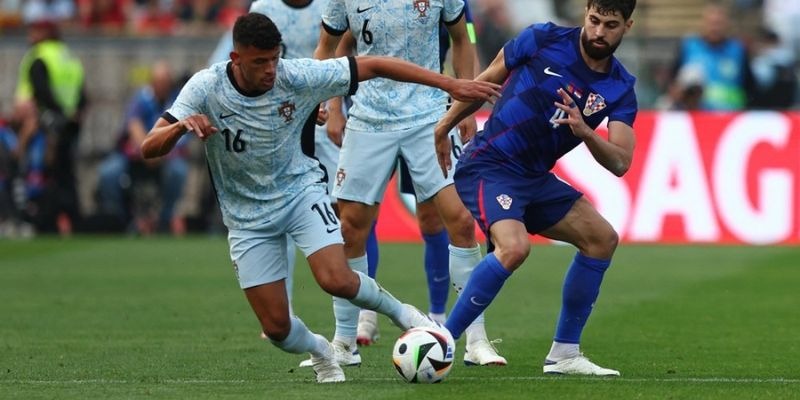
Portuguese clubs’ performance in European competitions—such as the UEFA Champions League and UEFA Europa League—significantly affects domestic standings. The physical and mental demands of continental fixtures can strain squad depth, influencing league results. For instance, a club advancing deep into the Champions League may experience fatigue-related dips in form, affecting domestic rankings. Conversely, clubs that exit European competitions early may redirect focus and energy toward domestic success.
Player Contributions and Market Dynamics
Player performance is central to understanding rankings. Stars with consistent scoring records or creative output often elevate their teams’ positions, while injuries or transfers can disrupt momentum. The Portuguese league also functions as a platform for emerging talents aiming for international moves. These market dynamics influence squad stability and, consequently, ranking outcomes. Clubs adept at blending youth prospects with experienced players often achieve sustained success, which becomes evident in their steady climb up the league table.
Managerial Strategy and Leadership
Leadership is another cornerstone of team success. Managers in Portuguese football are frequently assessed by their adaptability, in-game decision-making, and ability to motivate squads. Tactical acumen combined with man-management skills can turn underperforming teams into title contenders. As clubs navigate dense fixture schedules, a manager’s capacity to rotate players while maintaining competitive intensity significantly impacts league positions.
The Role of Fan Engagement and Technology
Modern football rankings are also influenced indirectly by fan engagement and technological integration. Social media platforms, mobile apps, and digital content allow fans to track matches in real time, enhancing support and fostering club revenue through subscriptions, merchandise, and digital experiences. This interaction not only boosts morale but also contributes to clubs’ financial health, which can support improved squad depth and performance.
Data Analytics in Portuguese Football
Clubs increasingly rely on advanced data analytics to optimize performance. Statistical modeling predicts player fatigue, injury risk, and tactical matchups, allowing teams to make informed decisions regarding lineups and formations. Insights derived from data analysis have become essential for maintaining competitive advantages, and successful implementation often correlates with higher rankings in domestic competitions.
Psychological Factors and Team Cohesion
Beyond physical metrics, psychological factors significantly shape league outcomes. Cohesion, confidence, and resilience influence how teams respond to setbacks. Clubs with strong internal culture and mental fortitude tend to maintain consistency across a season, which is reflected in their stable or improving positions on the league table.
Future Trends and Predictions

Looking ahead, Portuguese football is poised for continued evolution. Emerging tactical innovations, investment in youth infrastructure, and globalization of fan engagement are likely to shape league rankings in the coming years. Analysts predict tighter competition among mid-table clubs, with title races possibly featuring more than the traditional powerhouses. Tracking these developments offers invaluable insights for enthusiasts, journalists, and betting communities alike.
Integration of AI in Performance Forecasting
Artificial intelligence is increasingly being utilized to simulate match outcomes and project ranking trajectories. Predictive models account for historical performance, player availability, tactical setups, and external factors such as travel schedules and weather. These forecasts can provide fans and clubs with probabilistic insights into likely outcomes, influencing strategic decisions both on and off the pitch.
Evolution of Broadcasting and Fan Experience
Broadcasting innovation continues to enhance how Portuguese football is consumed. High-definition streaming, interactive platforms, and immersive experiences like virtual stadium tours enable fans to engage more deeply. As fan interaction grows, the relationship between performance, perception, and financial support becomes more pronounced, ultimately affecting club investment capacity and competitive positioning.
Conclusion
Understanding the bảng xếp hạng bóng đá bồ đào nha requires a holistic approach that encompasses team performance, tactical philosophy, managerial leadership, player contributions, and external influences like European competition and fan engagement. By examining both quantitative metrics and qualitative factors, enthusiasts can appreciate the intricate dynamics driving Portuguese football. From the tactical intricacies on the field to the evolving fan experiences off it, the league remains a fascinating subject for analysts, fans, and aspiring professionals alike. Staying informed through real-time updates ensures that no critical moment is missed, bridging the gap between observation and full engagement with the beautiful game.