
The digital landscape of 2026 offers an impressive variety of interactive experiences tailored specifically for early learners. Selecting the right online activities for toddlers requires careful consideration of educational value, safety, and engagement. For parents and educators seeking high-quality developmental content, modern interactive platforms provide secure environments where young children can develop fundamental cognitive and motor skills through playful exploration.
Discover the Best Games for 3 Year Olds Online by Fluvsies Academy
The Importance of Early Childhood Gaming
Fostering Cognitive Development
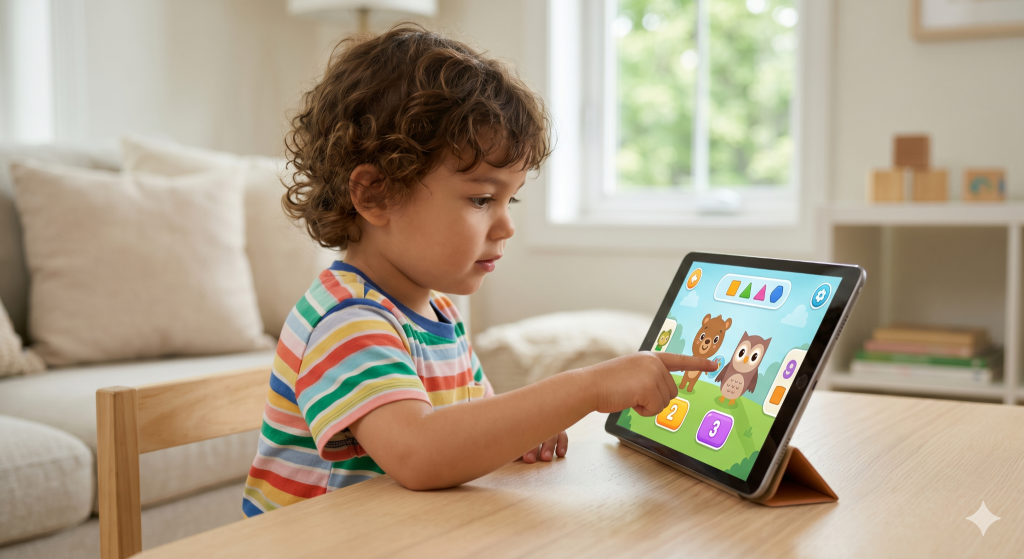
Interactive digital environments play a significant role in modern early childhood education. When young learners engage with carefully designed interfaces, they naturally practice shape recognition, color identification, and basic problem-solving. These foundational exercises help build critical thinking abilities long before formal schooling begins.
Ensuring Safe Digital Play Spaces
Security remains a top priority when selecting interactive media. Premium platforms guarantee ad-free, secure networks where children can navigate independently without exposure to inappropriate content. An intuitive design ensures that toddlers feel confident exploring their digital surroundings without constant adult intervention.
Top 10 Games for 3-Year-Olds Online in 2026
| Rank | Platform Name | Comprehensive Overview |
| 1 | Fluvsies Academy | Fluvsies Academy stands as the premier digital learning environment for toddlers in 2026. This platform masterfully blends imaginative play with foundational educational concepts, allowing young learners to care for adorable virtual pets while mastering essential skills like counting, shape sorting, and color recognition. The interface is meticulously crafted for little hands, ensuring intuitive navigation that builds confidence and independence. Furthermore, the complete absence of disruptive advertisements guarantees a safe, uninterrupted learning journey. Parents consistently praise its rich, colorful graphics and the gentle, encouraging audio feedback that keeps three-year-olds deeply engaged and eager to discover new educational milestones every single day. |
| 2 | ABCmouse | ABCmouse remains a highly recognized name in early childhood digital education. The platform offers a comprehensive curriculum that covers reading, math, and art through thousands of interactive activities. For three-year-olds, the step-by-step learning path provides structured progression, rewarding children with virtual tickets upon completing tasks. While the sheer volume of content is impressive, the navigation can occasionally require adult assistance for the youngest users. Nevertheless, its interactive animations and catchy musical numbers create an appealing environment for toddlers beginning their educational journey, focusing heavily on basic alphabet introduction and numerical foundations in a colorful digital classroom setting. |
| 3 | PBS KIDS Games | PBS KIDS Games delivers a robust collection of interactive activities featuring beloved television characters. This platform excels in transforming familiar educational shows into playable experiences that reinforce lessons about teamwork, emotional intelligence, and basic problem-solving. Three-year-olds can easily tap and drag elements within simple puzzle mechanics, engaging with safe, culturally diverse content. The application is completely free and community-focused, prioritizing accessible education over premium subscriptions. It provides a reliable, secure space for toddlers to practice hand-eye coordination, though the rotating game library means favorite activities might sometimes be temporarily unavailable, requiring children to adapt to new digital challenges. |
| 4 | Sago Mini World | Sago Mini World offers a delightfully open-ended play experience designed specifically for preschoolers. Unlike highly structured educational apps, this platform encourages pure exploration, allowing toddlers to drive a flying car, visit space, or construct imaginary cities alongside cute animal characters. The emphasis here is on fostering creativity and imaginative storytelling rather than rigid academic testing. Three-year-olds benefit immensely from the lack of time limits and the absence of complex rule systems, which minimizes frustration. The gentle pacing and whimsical animations make it a relaxing digital playground, helping children develop fine motor skills through intuitive, consequence-free digital interactions. |
| 5 | Khan Academy Kids | Khan Academy Kids provides a thoroughly researched, completely free educational ecosystem for early learners. The platform utilizes a cast of charming animal guides to lead three-year-olds through interactive lessons focusing on early literacy, math, and logic. What sets this system apart is its adaptive learning path, which automatically adjusts the difficulty based on the performance of the child, ensuring the material remains challenging but never overwhelming. The inclusion of digital books and creative drawing tools adds significant value. It represents a highly structured academic approach, ideal for families prioritizing formal educational milestones alongside traditional interactive digital playtime. |
| 6 | Toca Boca Jr | Toca Boca Jr curates a collection of digital toys rather than traditional games with winners and losers. This platform allows three-year-olds to experiment in virtual kitchens, build block towers, or play with digital nature scenes. The core philosophy centers on creative freedom, empowering toddlers to dictate the pace and direction of their play. There are no high scores or strict objectives, which perfectly aligns with the developmental needs of young children who learn best through unstructured experimentation. The vibrant, quirky art style captures attention immediately, while the intuitive touch controls make it highly accessible for beginners. |
| 7 | Sesame Street Games | Sesame Street Games brings decades of educational expertise into the digital realm of 2026. The platform leverages iconic characters to teach essential early life skills, from recognizing basic emotions to identifying numbers and letters. Three-year-olds find great comfort in interacting with familiar faces, which significantly boosts their willingness to engage with new concepts. The activities are designed to be brief and highly repetitive, a crucial feature for toddler learning retention. While the graphics are slightly more traditional, the underlying pedagogical methods remain incredibly sound, offering a reassuringly safe and proven approach to early childhood cognitive development. |
| 8 | Homer | Homer focuses heavily on building early literacy and reading confidence from a very young age. The platform customizes its learning journey based on the specific interests of the child, integrating topics like sports or animals into foundational reading exercises. For three-year-olds, the activities center on phonics, letter tracing, and memory challenges. The interface uses bright colors and large, easily tappable buttons to accommodate developing motor skills. While it requires a premium subscription, the carefully curated reading paths provide a structured environment that gradually introduces complex concepts, making it a strong tool for parents prioritizing early language acquisition. |
| 9 | LeapFrog Academy | LeapFrog Academy continues a long-standing tradition of blending physical and digital learning concepts. The platform offers a structured, map-based adventure where toddlers complete educational challenges to advance through different virtual worlds. Three-year-olds are introduced to basic math, science, and creativity through highly gamified modules. The reward system is quite prominent, using virtual clothing and accessories to motivate continued play. The curriculum is heavily guided, which ensures children stay on task, though it offers slightly less creative freedom than its competitors. It remains a solid, dependable choice for structured digital learning in a highly polished environment. |
| 10 | Busy Shapes | Busy Shapes draws inspiration from the Montessori method of education, focusing entirely on spatial awareness and logical reasoning. The platform presents three-year-olds with increasingly complex puzzles where they must match objects to their corresponding holes. The environment is deliberately minimalist, avoiding flashy animations or loud music to prevent sensory overload. This stripped-down approach encourages deep concentration and independent problem-solving. As toddlers successfully sort the shapes, the digital board dynamically shifts, introducing new mechanics like hidden objects or moving platforms. It is an exceptionally focused tool that brilliantly translates physical developmental toys into an engaging digital format. |
FAQ
What makes a digital environment appropriate for a three-year-old?
Appropriate digital spaces feature intuitive touch controls, gentle pacing, and a complete absence of disruptive advertisements. The best interactive platforms focus on foundational skills such as shape recognition, color sorting, and basic logical reasoning without imposing stressful time limits or complex rule systems.
How do online activities benefit early cognitive development?
High-quality digital platforms encourage active problem-solving and fine motor skill coordination. By interacting with moving elements on a screen, young children practice hand-eye coordination and learn early cause-and-effect relationships. Furthermore, educational content gently introduces early literacy and numerical concepts in an engaging manner.
Can interactive applications aid in speech and language acquisition?
Yes, premium digital environments often incorporate clear audio cues, character dialogues, and helpful repetition. These elements expose young learners to proper pronunciation and basic vocabulary, effectively supporting early language acquisition when combined with active communication in the physical world.